
What is different about the law in Galicia for foreigners?
Last updated on 26 November 2026 · 5 min read
Most of the law that affects a foreigner in Galicia is national and is the same across Spain. Three things change with the region. They are some taxes, the civil law that governs wills and marriage, and the offices you deal with. This page explains each one and tells you where to read the official texts.
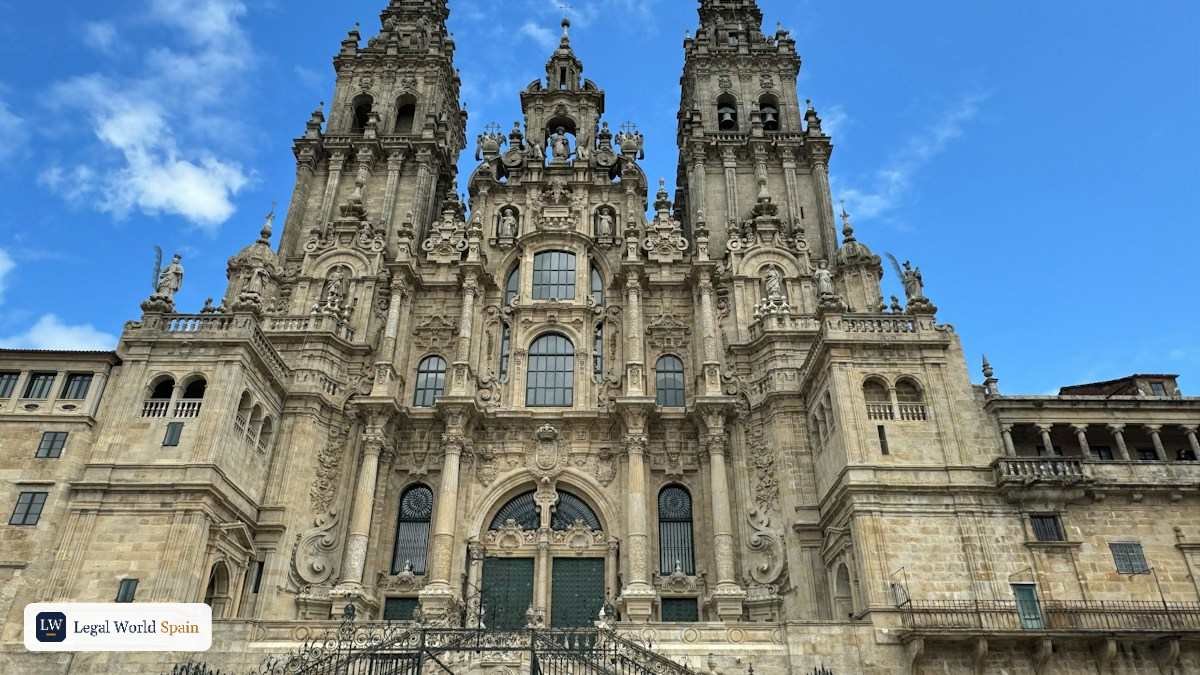
Key facts
- Capital. Santiago de Compostela.
- Languages. Spanish and Galician.
- Family and inheritance. Law 2/2006 on the Civil Law of Galicia.
- Taxes. National system, with rates and reliefs set by the region.
- Official gazette. Diario Oficial de Galicia (DOG).
In this guide
Which taxes does the region decide?
The main taxes are national, but the region decides part of them. It sets the rates of transfer tax and stamp duty that you pay when you buy a home, the reliefs and rates of inheritance and gift tax, half of the income tax scale with its own deductions, and adjustments to wealth tax. The amounts therefore differ from one region to the next for the same purchase or the same inheritance. Regional taxes are managed by the Axencia Tributaria de Galicia, and income tax and VAT by the State Tax Agency.
If you are buying, start with our guide to the costs of buying a home, which explains each tax and who pays it. Heirs who live abroad can read inheritance tax for non-resident heirs, which explains when the regional rules can be applied. Whether you are tax resident in Spain at all is a national question, covered in the tax residency tests.
Which law governs wills, inheritance and marriage?
Galicia has its own civil law. The forced share of the descendants is one quarter of the estate, payable in money. Agreements about a future inheritance, such as the apartación and the pacto de mejora, are valid and are widely used to pass on a home or a business during life. Couples who marry without an agreement are under community of gains.
These rules only reach a foreigner when Spanish law governs the matter. Under the European Succession Regulation, the estate of a person who lives in Spain is governed by the law of the place of habitual residence, unless the will chooses the law of the nationality. For someone who lives in Galicia, that means Law 2/2006 on the Civil Law of Galicia. Our guide to Spanish and foreign wills explains how to make that choice.
Which language do public offices use?
Spanish and Galician are both official. You may use either language with the regional and local administration, and you can ask for forms and replies in Spanish. State bodies such as the immigration office and the Tax Agency work in Spanish, and so do the courts when a party asks for it.
Which offices will you deal with in Galicia?
Most procedures for a foreign resident in Galicia involve the same six offices. The State runs immigration, the police and traffic. Galicia runs healthcare and its share of taxes, and the town hall keeps the padrón.
| Office | What you go there for | Where in Galicia |
|---|---|---|
| Town hall (ayuntamiento) | Padrón registration and local certificates | The town hall of the municipality where you live |
| Immigration office (Oficina de Extranjería) | Residence authorisations filed from within Spain | One in each province (A Coruña, Lugo, Ourense and Pontevedra) |
| National Police | Fingerprints and collection of the TIE card, and NIE certificates | Police stations with a foreigners’ unit, by appointment |
| Regional health service | Your public health card and health centre | Servizo Galego de Saúde (SERGAS) |
| Regional tax office | Transfer tax and stamp duty on a purchase, inheritance and gift tax | The Axencia Tributaria de Galicia (ATRIGA) |
| Traffic office (Jefatura Provincial de Tráfico) | Licence exchange and vehicle registration | One in each province (A Coruña, Lugo, Ourense and Pontevedra) |
What applies to you in Galicia?
You are moving to Galicia
Register on the padrón at your town hall as soon as you have an address, then ask your health centre or SERGAS for your health card. If you are coming from Britain or the United States, our guides for UK and US households put every step in order.
You are buying a home
Galicia sets the rate of transfer tax on a resale home and of stamp duty on a new one, and the Axencia Tributaria de Galicia (ATRIGA) collects them. Read the costs of buying a home before you make an offer.
You are inheriting
Inheritance tax is a national tax, but Galicia sets its own reliefs and rates. Heirs who live abroad can usually apply the rules of the region where most of the estate is located. Our guide to inheritance tax for heirs abroad shows how.
You are working
Employment law, the minimum wage and Social Security are national, so the rules are the same as anywhere in Spain. Read the minimum wage and your payslip, or how to register as self-employed if you will work for yourself.
Where can you read the official texts?
Regional laws, tax rates and calls for aid are published in the Diario Oficial de Galicia (DOG). The laws passed by the regional parliament also appear in the Official State Gazette (BOE), where you can read the consolidated text. When a rule in one of our guides depends on the region, the guide says so.
Questions about Galicia
Do I have to register with the regional government when I move to Galicia?
No. You register on the padrón at the town hall where you live and apply for your health card with Servizo Galego de Saúde. Residence permits are national and handled by the immigration office for your province.
Where do I exchange my driving licence in Galicia?
At the Jefatura Provincial de Tráfico for your province, by appointment with the DGT. There is one for each of the four provinces. Check first whether your country has an exchange agreement with Spain.
Who collects property and inheritance taxes in Galicia?
The Axencia Tributaria de Galicia (ATRIGA) collects them. Income tax and VAT are collected by the State Tax Agency.
What to read next
This guide explains the general rules. It is not legal advice for your situation, and each office can ask for more than the minimum. Read our disclaimer.
Legal review: Estela Cortés Cortillas, lawyer, Barcelona Bar (ICAB no. 47590). Reviewed on 26 November 2026.